

- Posts: 89
- Thank you received: 133
Cress Marsh
- Martin Francis
- Premium Member
-
![Premium Member]()
Less
More
18 Sep 2020 19:49 - 18 Sep 2020 19:50 #3168
by Martin Francis
Replied by Martin Francis on topic Cress Marsh
Visit on 18/09/20, 1500-1539hr
Yellowhamer 1
Mixed gulls c50
Cormorant 1
Little egret 4
Heron 1
Linnet c15
Mallard 10
Starling 3
GBB Gull 2
Carrion crow 1
Goldfinch c10
Grey Lag geese 17
Kind regards
Martin
Yellowhamer 1
Mixed gulls c50
Cormorant 1
Little egret 4
Heron 1
Linnet c15
Mallard 10
Starling 3
GBB Gull 2
Carrion crow 1
Goldfinch c10
Grey Lag geese 17
Kind regards
Martin
Last edit: 18 Sep 2020 19:50 by Martin Francis.
Please Log in to join the conversation.
- Nick Coulbeck
-
![]()
- Platinum Member
-
![Platinum Member]()

Less
More
- Posts: 448
- Thank you received: 940
12 Sep 2020 18:07 #3152
by Nick Coulbeck
Replied by Nick Coulbeck on topic Cress Marsh
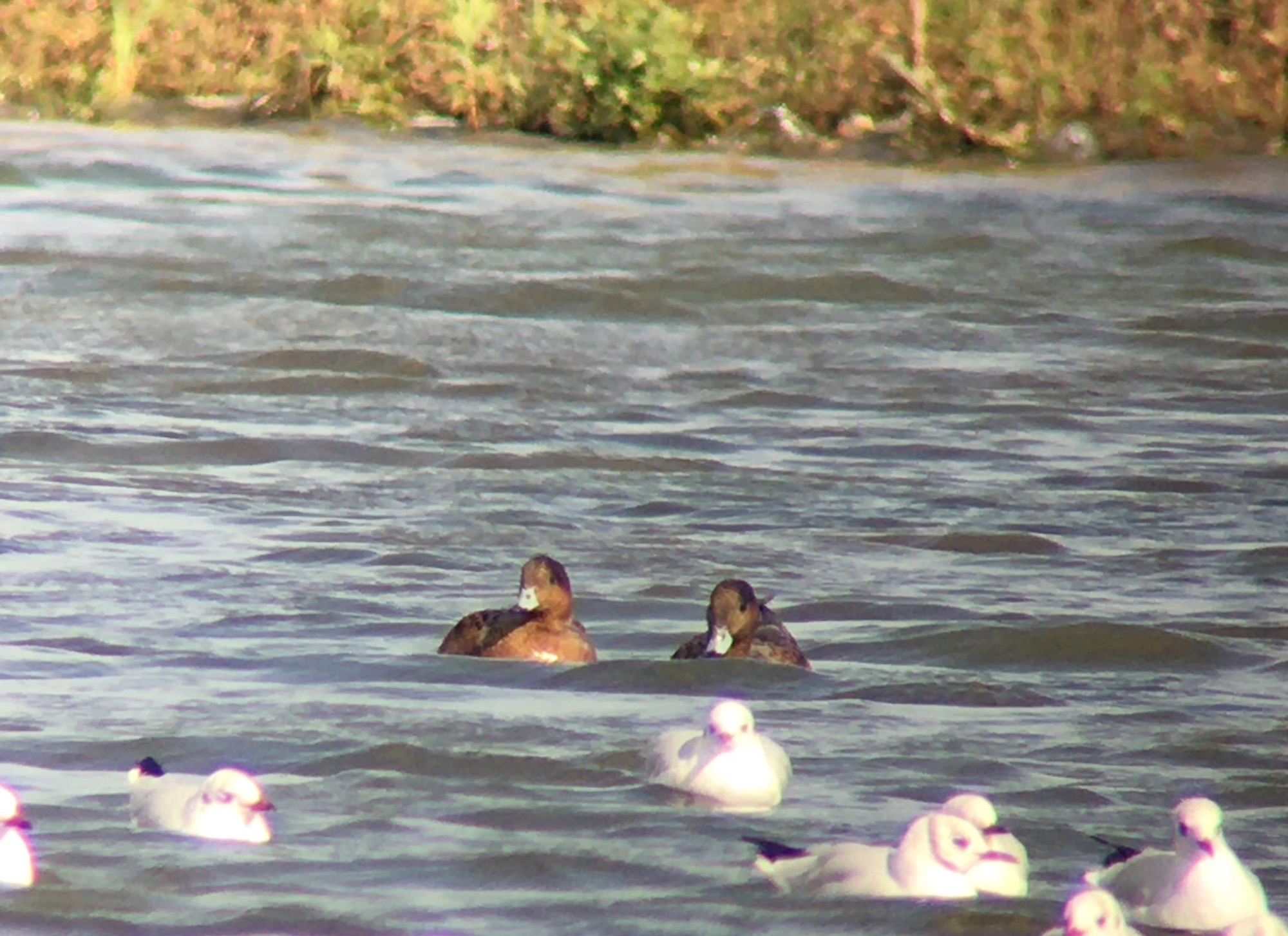
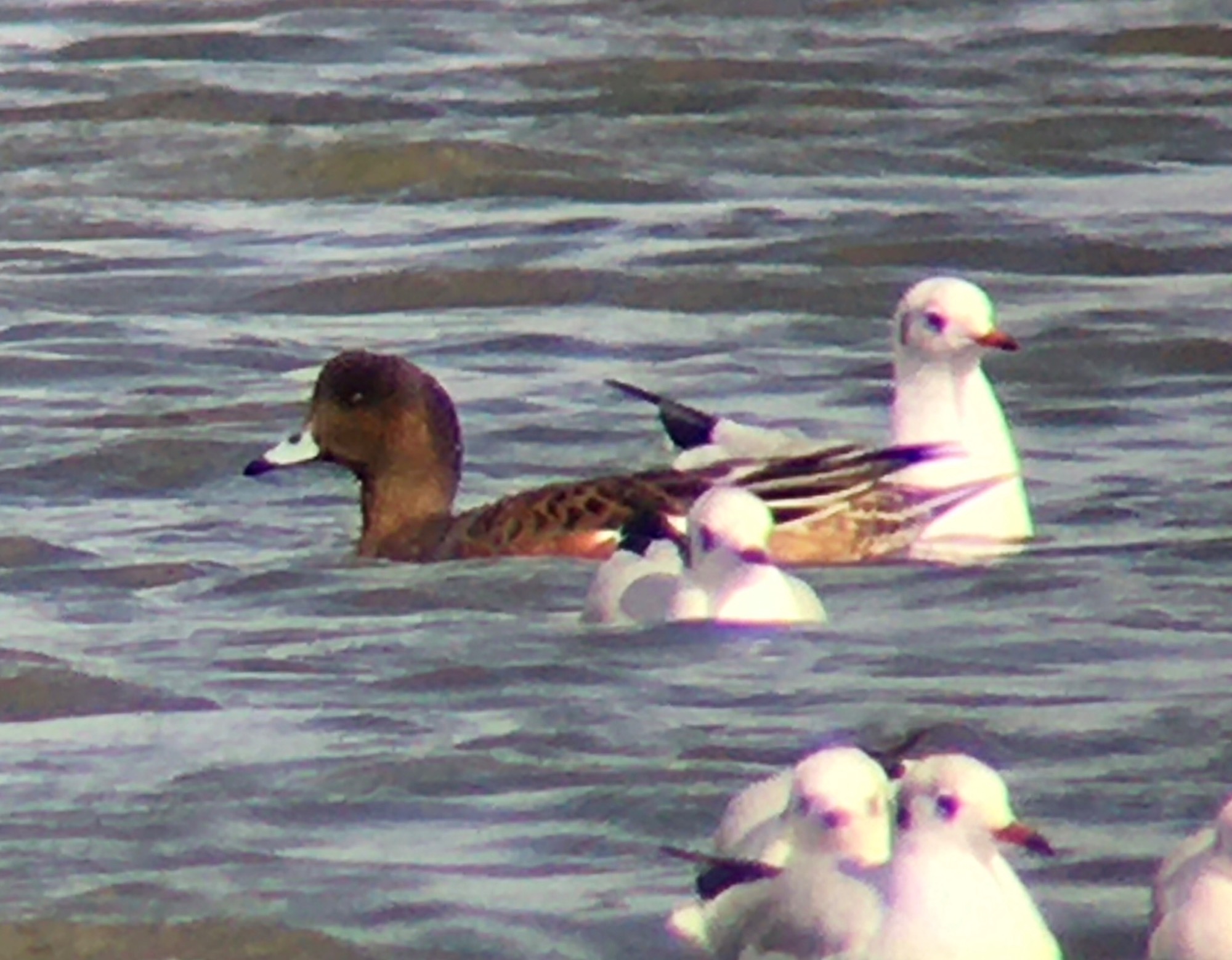
Had an hour this afternoon, and pleased to say there was a good few visitors. The walk upto the hide produced lots of linnets, goldies, starling, wagtails, meadow pips and a few spadgers. Also had the peregrine dive in and scatter at least 200+ guls from the main lagoon as we approached the end of the long path. On the main lagoon were gadwall, egrets, 7 little grebes!, shoveler, mallards, coot and pochard. Over the
![7C76362D-7CC8-4680-9D0B-C443153999F2.jpeg]()
![6CC029BE-5775-46DB-91A6-84AAA5A759BC.jpeg]() pump spinney where 3 buzzards and a kestrel kept dropping in from the factory hedges. There was too many gulls to count and crows/jackdaws present in all areas. Witnessed the egrets pulling out small fish, so seems there is life in the water thankfully. Overall a good hour. Sorry no numbers as I normally take a pic of the hide record book after I have filled it in.. but I forgot.
pump spinney where 3 buzzards and a kestrel kept dropping in from the factory hedges. There was too many gulls to count and crows/jackdaws present in all areas. Witnessed the egrets pulling out small fish, so seems there is life in the water thankfully. Overall a good hour. Sorry no numbers as I normally take a pic of the hide record book after I have filled it in.. but I forgot.
Please Log in to join the conversation.
- Joy Croot
- Topic Author
- Elite Member
-
![Elite Member]()

Less
More
- Posts: 180
- Thank you received: 400
06 Sep 2020 10:45 #3137
by Joy Croot
Replied by Joy Croot on topic Cress Marsh
I wonder if a major factor might be that of site memory, whereby birds will tend to return to sites where they have bred/ overwintered before? Obviously for a new site like Cressy, this memory does not exist and the site has to be found by chance. Hence the move in conservation now to reintroduce species to appropriately created habitats where they can be imprinted and form memory thereby staying loyal to that area.
So Cressy may be perfectly fine as a habitat but few birds have created a memory of it as yet. (Incidentally, it would be fascinating to know whether the Greemshank that has been on site this week is the same individual that arrived same date last year.)
There is an interesting chapter on site memory in Benedict Macdonald’s brilliant book ‘Rebirding’.
So Cressy may be perfectly fine as a habitat but few birds have created a memory of it as yet. (Incidentally, it would be fascinating to know whether the Greemshank that has been on site this week is the same individual that arrived same date last year.)
There is an interesting chapter on site memory in Benedict Macdonald’s brilliant book ‘Rebirding’.
Please Log in to join the conversation.
- Nick Coulbeck
-
![]()
- Platinum Member
-
![Platinum Member]()
Less
More
- Posts: 448
- Thank you received: 940
05 Sep 2020 14:50 #3133
by Nick Coulbeck
Replied by Nick Coulbeck on topic Cress Marsh
As September is here, I will try to get down a couple of times a week. There should be a few migration opportunities for the site, although I think it may just be slightly too far off the coastal waters and that area also 'hedged' with some big factories I would expect most good sightings to be nearer Killingholme Haven and East Halton skitter. However, you never know, considering what has visited in the past.
The following user(s) said Thank You: Peter Wood
Please Log in to join the conversation.
- Jon Drakes
- Elite Member
-
![Elite Member]()
Less
More
- Posts: 265
- Thank you received: 537
05 Sep 2020 09:05 #3130
by Jon Drakes
Regards
Jon
All records entered into BirdTrack
Bluesky: @jondrakes.bsky.social
Flickr : jon.drakes
Replied by Jon Drakes on topic Cress Marsh
Agree with both Nick and Martin - my observations also suggest that the decline in bird numbers started when the site was subjected to the process of having plant life removed and re-seeding with selected grasses and wild flowers.
There are definitely small fish in the main lagoon as I recently observed a Little Egret catching fish (approx the size of Stickleback) directly in front of the hide.
Maybe a lack of invertibrates is the problem?
I guess I will have to remain patient for a while longer....
A cattle Egret would be nice!!!!")
There are definitely small fish in the main lagoon as I recently observed a Little Egret catching fish (approx the size of Stickleback) directly in front of the hide.
Maybe a lack of invertibrates is the problem?
I guess I will have to remain patient for a while longer....
A cattle Egret would be nice!!!!

Regards
Jon
All records entered into BirdTrack
Bluesky: @jondrakes.bsky.social
Flickr : jon.drakes
The following user(s) said Thank You: Peter Wood
Please Log in to join the conversation.
- Martin Francis
- Premium Member
-
![Premium Member]()
Less
More
- Posts: 89
- Thank you received: 133
04 Sep 2020 22:43 #3129
by Martin Francis
Replied by Martin Francis on topic Cress Marsh
I don't have any specialist knowledge about these things but I think the key must be food - particularly invertebrates that feed on decaying vegetation and attract waders.
I agree with Nick that there appeared to be a turning point when the vegetation was removed and the ground was re-seeded (at least, I think that is what happened!) and I can't explain why that was detrimental.
Does anybody know how long it took RSPB Frampton to become established and start attracting large numbers of waders?
Any other suggestions?
Best wishes
Martin
I agree with Nick that there appeared to be a turning point when the vegetation was removed and the ground was re-seeded (at least, I think that is what happened!) and I can't explain why that was detrimental.
Does anybody know how long it took RSPB Frampton to become established and start attracting large numbers of waders?
Any other suggestions?
Best wishes
Martin
The following user(s) said Thank You: Jon Drakes, Peter Wood
Please Log in to join the conversation.
About Us
We are the Lincolnshire Bird Club. Our aims are to encourage and further the interest in the birdlife of the historic County of Lincolnshire; to participate in organised fieldwork activities; to collect and publish information on bird movements, behaviour, distribution and populations; to encourage conservation of the wildlife of the County and to provide sound information on which conservation policies can be based.