Swallows and Martins

More
19 Sep 2021 08:50 #4529 by Stuart Britton
Replied by Stuart Britton on topic Swallows and Martins
A lot of species carry parasitic insects such as ticks or flat flies.  The nestling Sand Martins in the artificial nest site we monitor often have parasites on them as do Swifts.

Please Log in to join the conversation.

More
18 Sep 2021 22:08 #4528 by Jim Wright
Replied by Jim Wright on topic Swallows and Martins
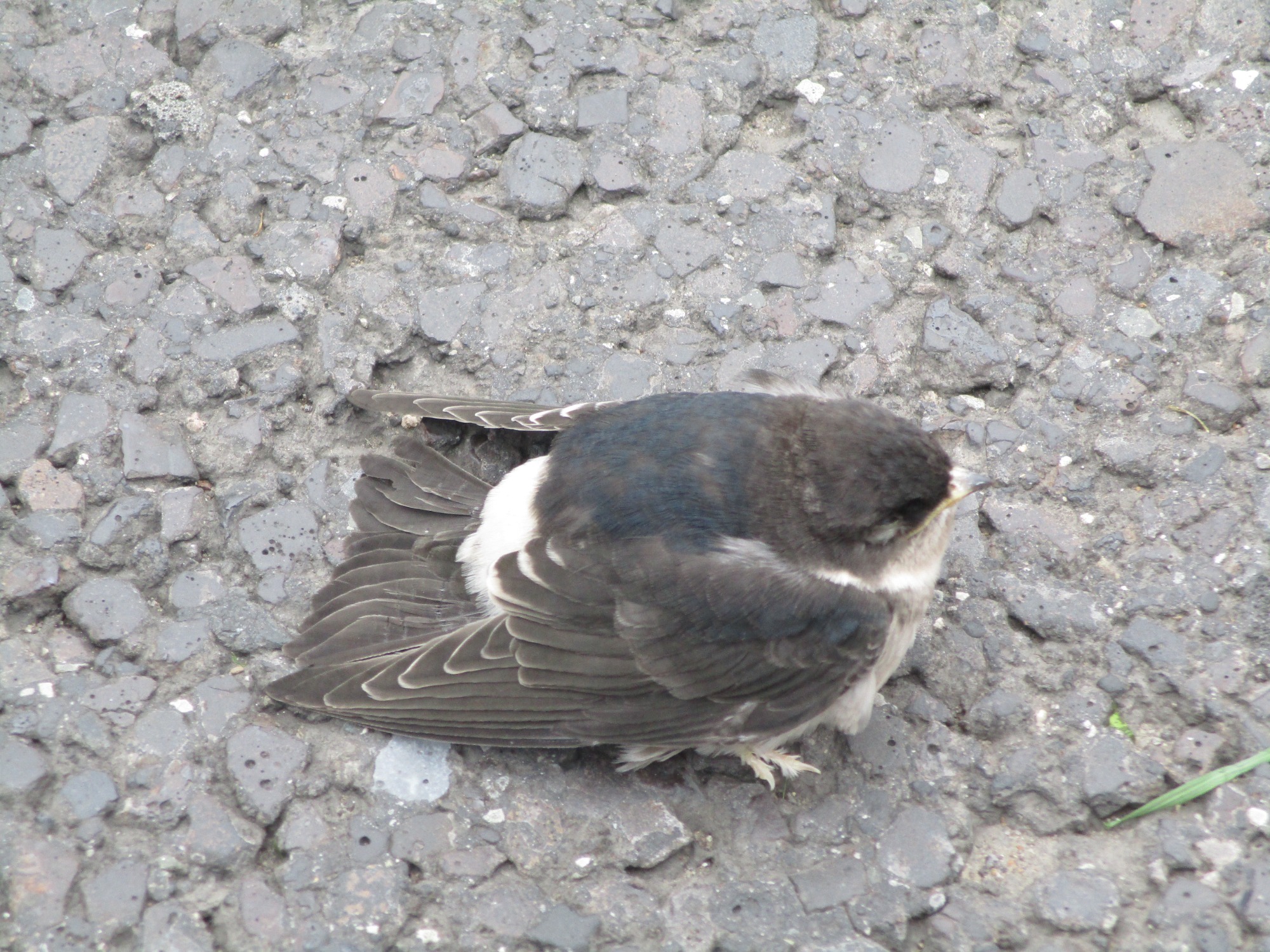
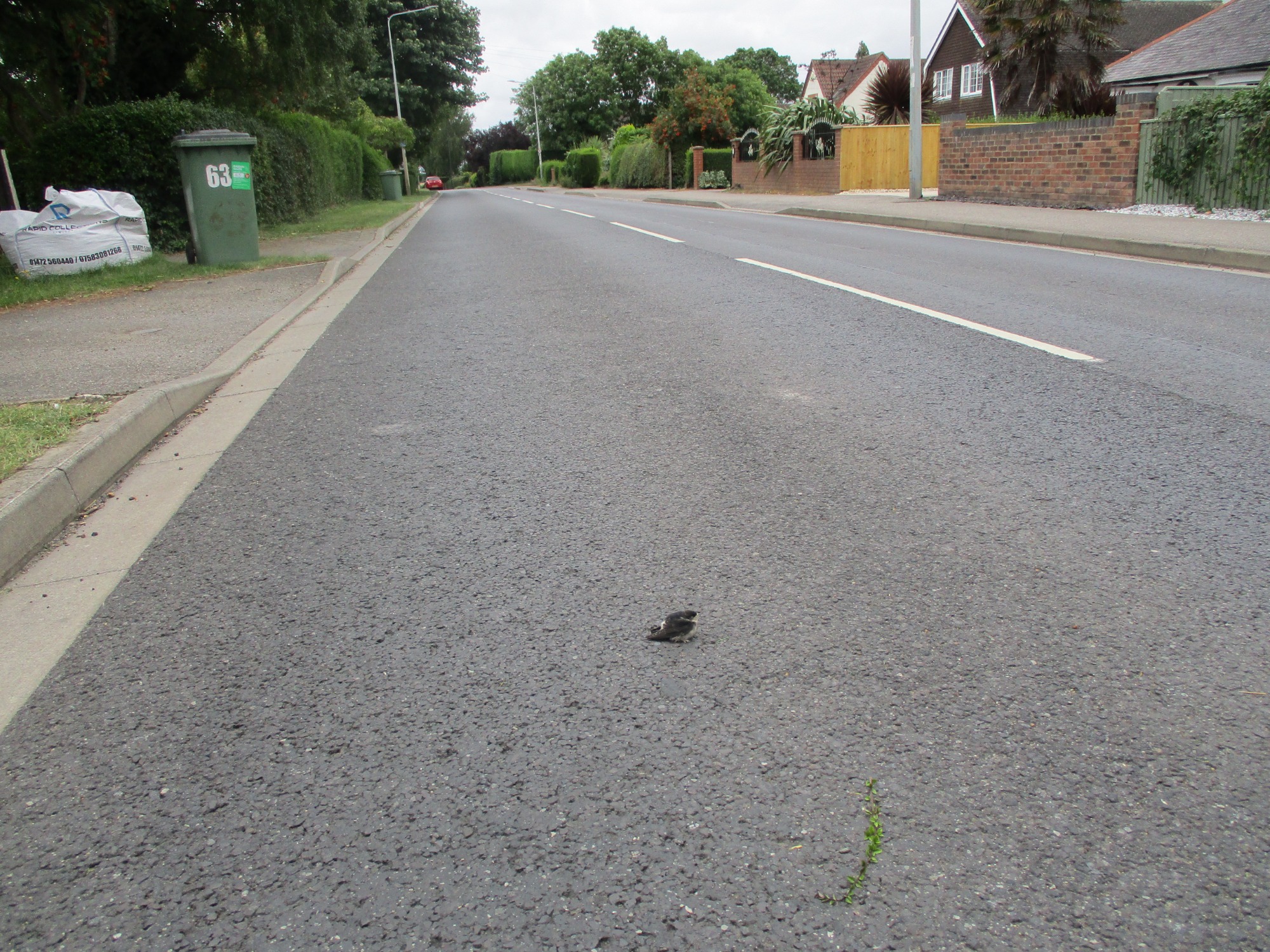
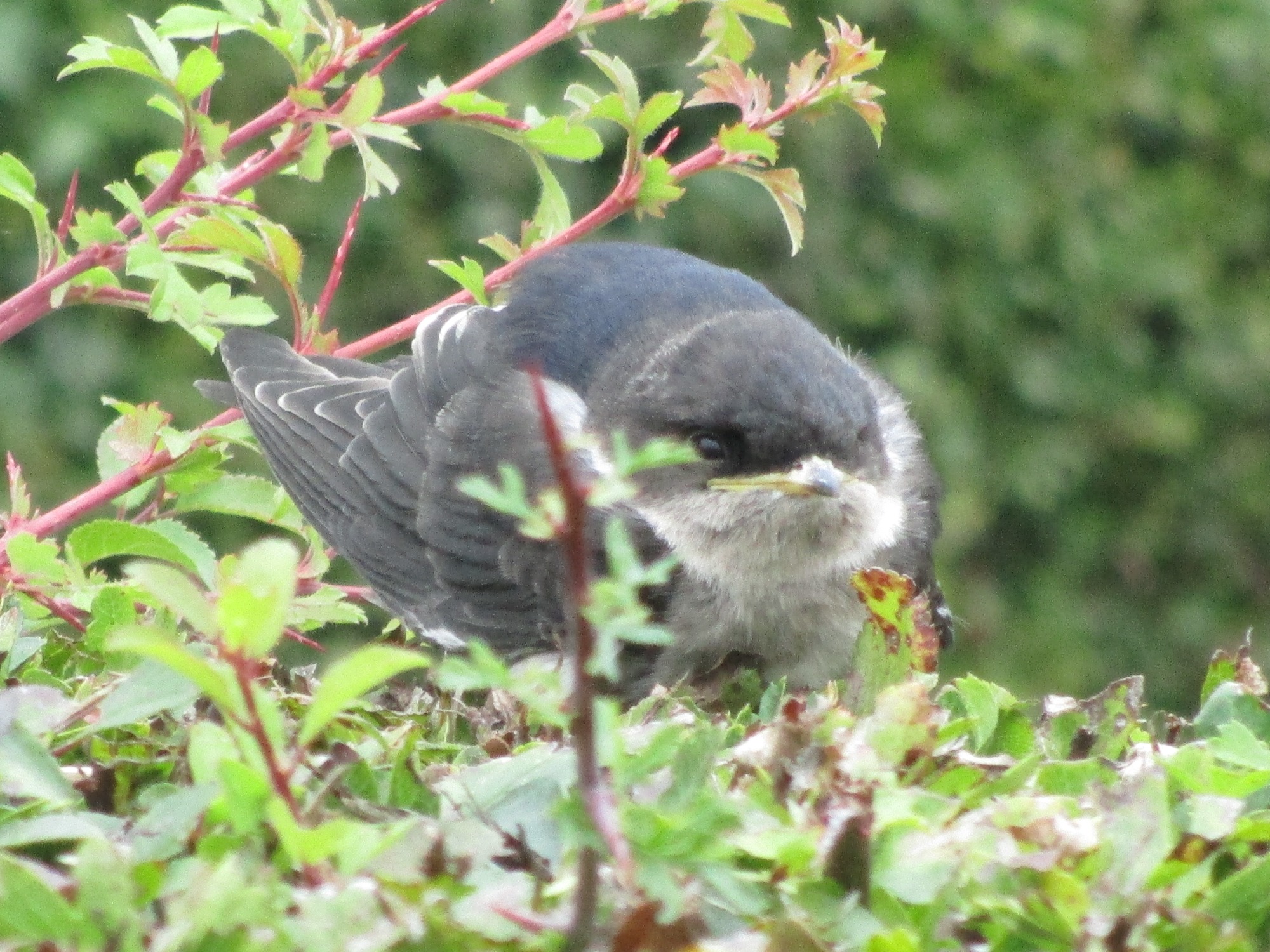
I came across this chick on the Tetney Road, Humberston (near the junction with South Sea Lane) a couple of weeks ago. Fearing it would be flattened by a vehicle, I picked it up and threw it high into the air. It reached 30ft or so into the air but then plummeted back down, landing on a hanging basket. The next time I tried, it landed on a front garden hedge hedge. The third time, it came down into  a back garden to which there was no access. I fear now it might have landed up in the claws of a cat so perhaps I shouldn't have interfered in the first place. Still it was welcome proof of a local nesting.  Its body was carrying half-a-dozen froghopper-type insects which I was unable to remove. 
Attachments:
The following user(s) said Thank You: Peter Wood, Pete Locking, Nick Coulbeck, Phil Jones

Please Log in to join the conversation.

More
11 Sep 2021 16:50 #4496 by Nick Coulbeck
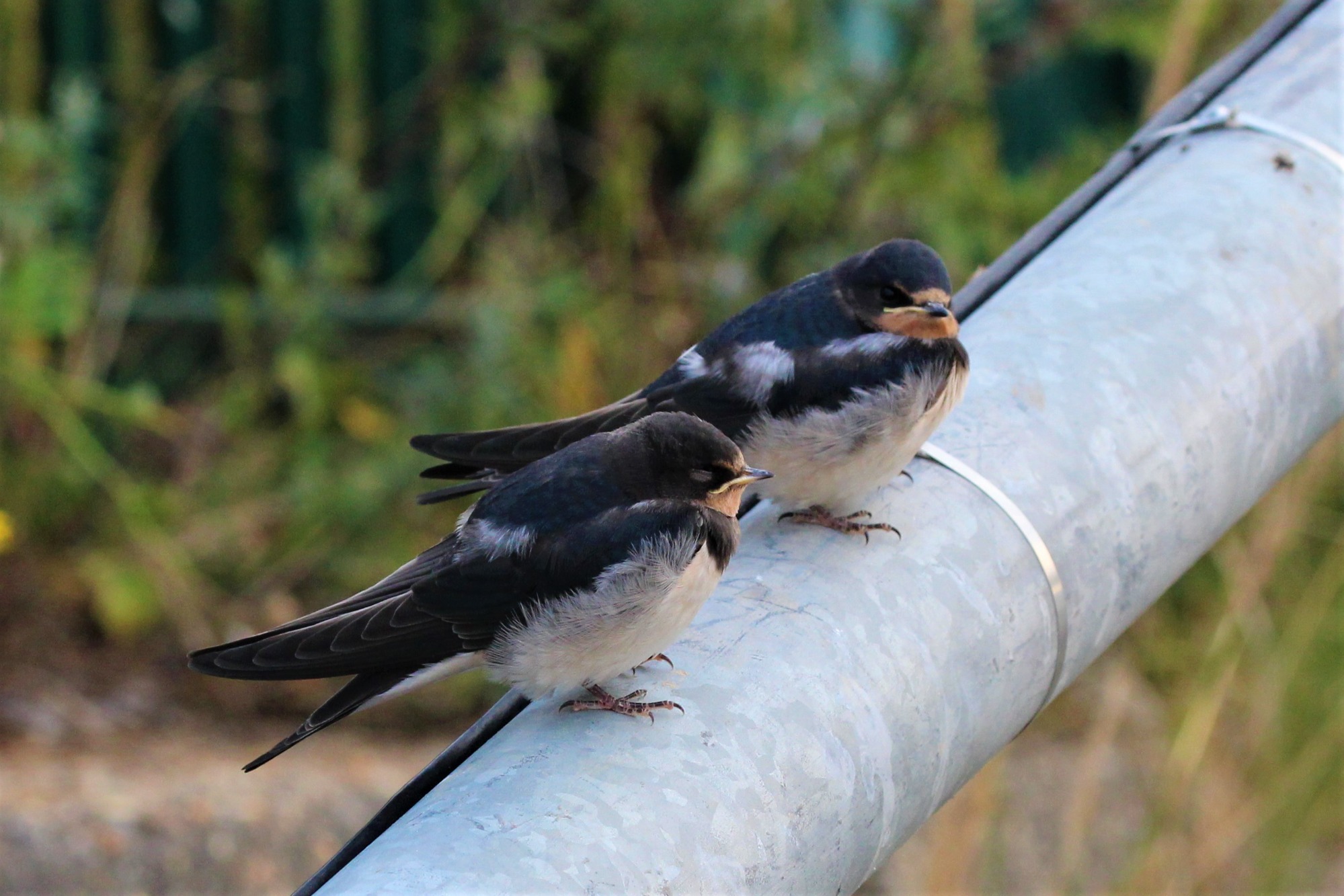
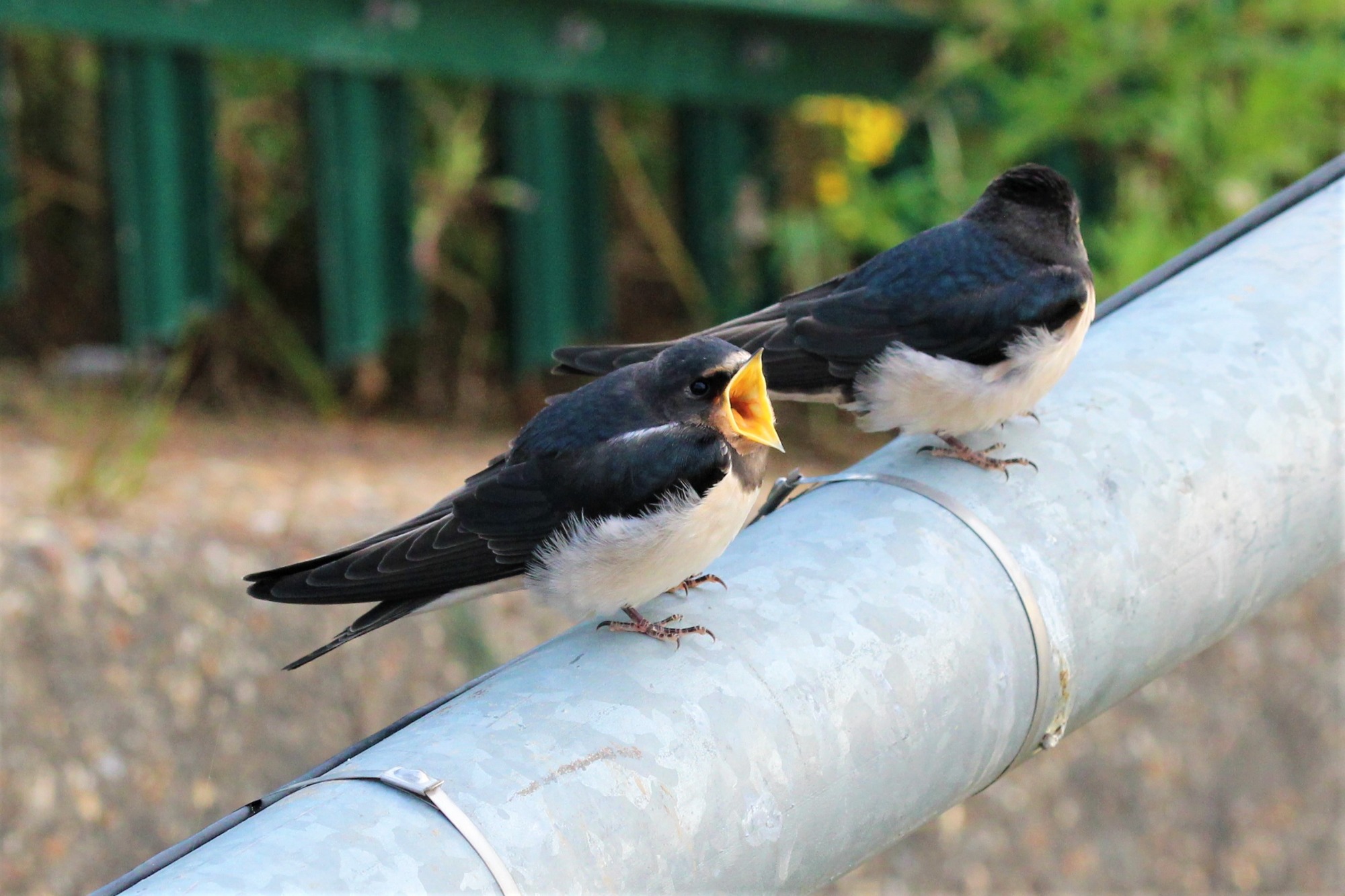
I have been visiting the Buck beck outfall into the salt marsh at Cleethorpes for the past few mornings, and enjoying the huge amount of Swallows and Martins gathering  there. The tides over the last few days have been quite a high 7 metres,  and the birds are taking full advantage of the insects. What has surprised me though are the number of still very young birds. The parents are still feeding them, but they seem a bit late to the party!
Attachments:
The following user(s) said Thank You: Jim Wright, Jon Drakes, Robert Atkinson, Peter Wood

Please Log in to join the conversation.

About Us

We are the Lincolnshire Bird Club. Our aims are to encourage and further the interest in the birdlife of the historic County of Lincolnshire; to participate in organised fieldwork activities; to collect and publish information on bird movements, behaviour, distribution and populations; to encourage conservation of the wildlife of the County and to provide sound information on which conservation policies can be based.